
Since 1931 — Tsukiji, Tokyo

Ninety-Five Yearsby the Sumida

Land raised from the river after Edo burned, a foreign settlement, the villa of a merchant dynasty — and, since 1931, a ryotei that has never moved. The history of Tsukiji Jisaku, in one minute.

Meireki 1657

THE PLACE

Tsukiji Jisaku stands in Akashicho, on ground that did not exist four centuries ago — land raised from the mouth of the Sumida after Edo burned. Everything that has happened here since has been shaped by that river: the settlement that opened Japan to the world, the villa of a merchant dynasty, and, since 1931, a ryotei that has never moved.

Minutes from Ginza, the gate closes behind you and the century falls away. What follows is the short version of a long story.

1931

Founded by
Honda Jisaku

95yrs

At the same
address

1899

The Iwasaki villa,
our main house

1945

Survived the
firebombing of Tokyo

THROUGH THE YEARS

Through
the years

1657 → Today  ·  Eight moments →

Meireki 3

Land raised
from the ashes

The Great Fire of Meireki burned most of Edo to the ground. In the rebuilding, the shogunate reclaimed land at the mouth of the Sumida and laid out a district called Jukkenmachi — the flat, riverside ground where Tsukiji Jisaku stands today.
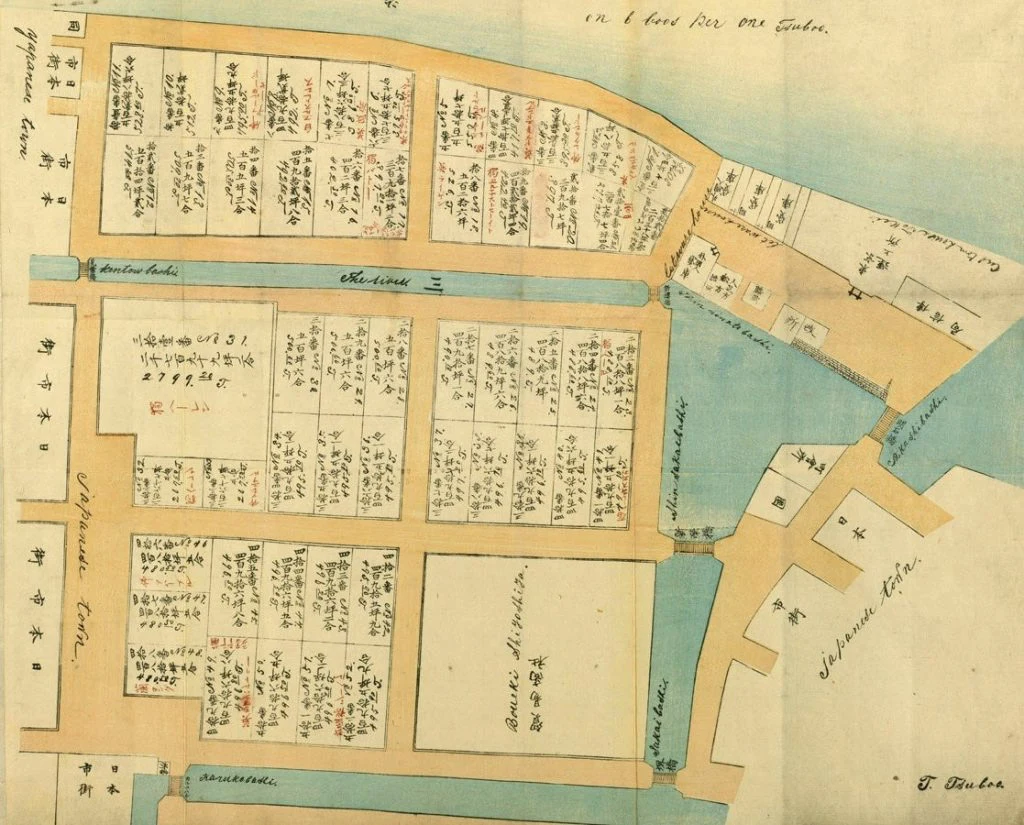
1657A hand-coloured survey map of the Tsukiji foreign settlement, its plots annotated in both Japanese and English
1657
+

Meiji 2

A window
on the world

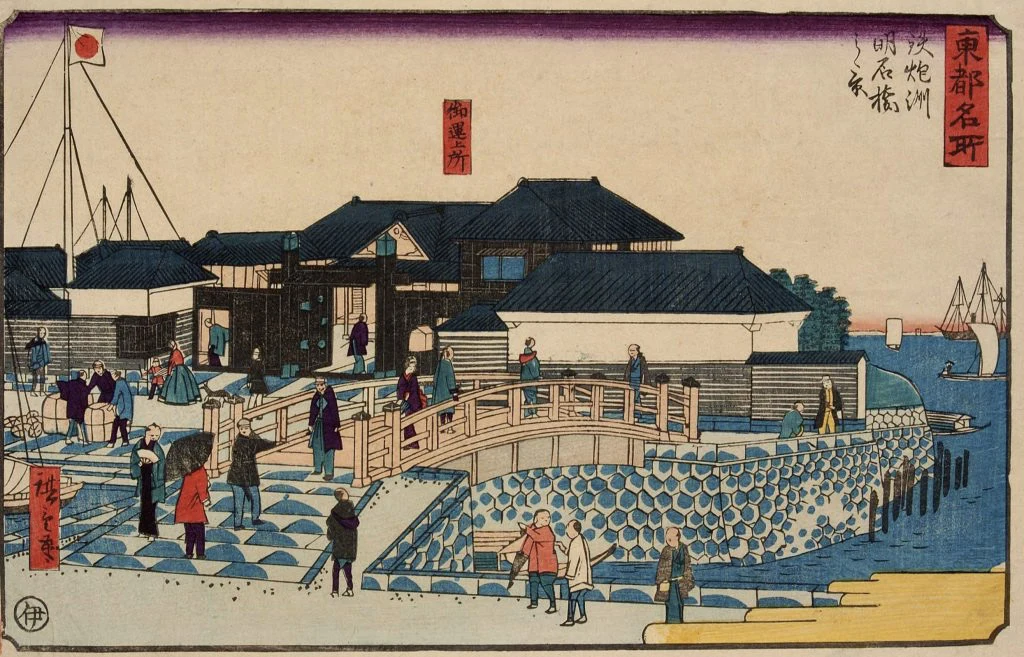
Akashicho became one of Tokyo's foreign settlements — a centre of "civilisation and enlightenment." Academies of Western learning, the seeds of several universities, and the first research into fingerprint identification all grew within a few streets.

1869A woodblock print of Akashi Bridge at Teppozu, with foreign residents crossing beside the settlement warehouses
1869
+

Meiji 32

The Iwasaki
villa

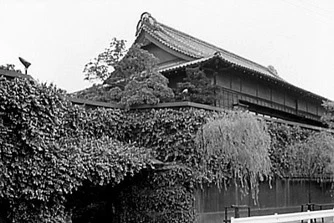
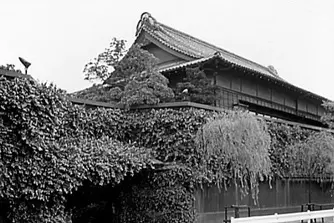
With extraterritoriality abolished, the settlement was dissolved and the land returned to Japanese hands. The Iwasaki family — founders of the Mitsubishi zaibatsu — built their villa on this site. Its residence, garden and near-aristocratic privacy still set the tone today.

1899Archive photograph of the tiled roof of Tsukiji Jisaku rising above ivy-covered walls
1899
+

Showa 6

Honda Jisaku
opens his house

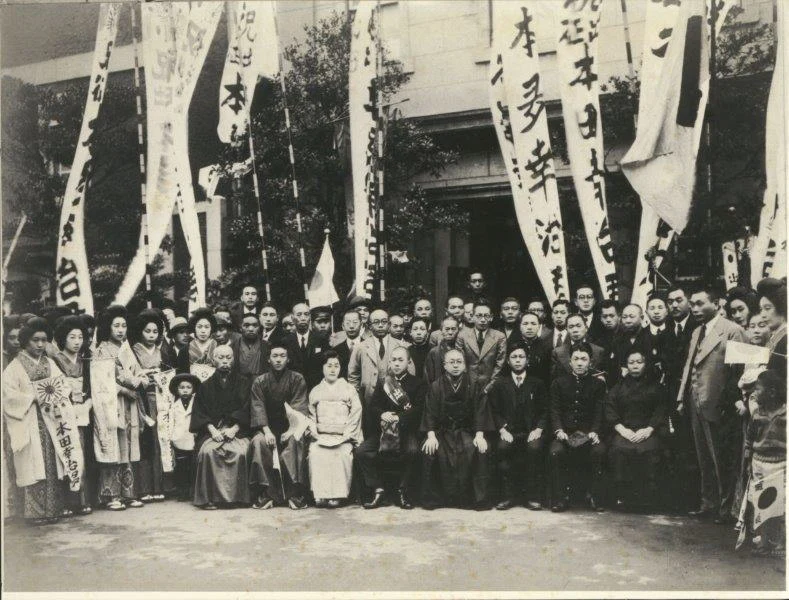
The chef Honda Jisaku became proprietor and founded the restaurant that carries his name — choosing the bank of the Okawa deliberately, where the great houses of Edo had always gathered. From Kyushu, he took on the tastes and manners of Tokyo and built his kitchen around them.

1931Archive photograph of a gathering outside Tsukiji Jisaku, geisha and guests assembled beneath tall congratulatory banners
1931
+

Showa 16 – 20

The house
that survived

Through the war the buildings were requisitioned as housing for the workers of Ishikawajima Shipbuilding, downriver. When the firebombing of March 1945 flattened the city, Tsukiji Jisaku came through almost untouched — one of the few pre-war houses on this stretch of the Sumida to do so.

1941–45Archive photograph of Tokyo burnt flat after the wartime air raids, seen across the ruined city
1945
+

Showa 26

Rebuilt,
18 September

Honda Jisaku and Hase Toshiji rebuilt the ryotei and reopened it to a recovering Tokyo. The city came back to the river almost at once — for banquets and negotiations, for weddings, for the family occasions a country beginning again wanted to mark properly.

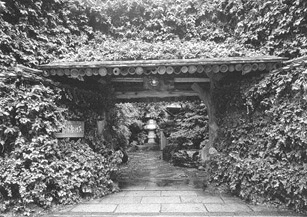
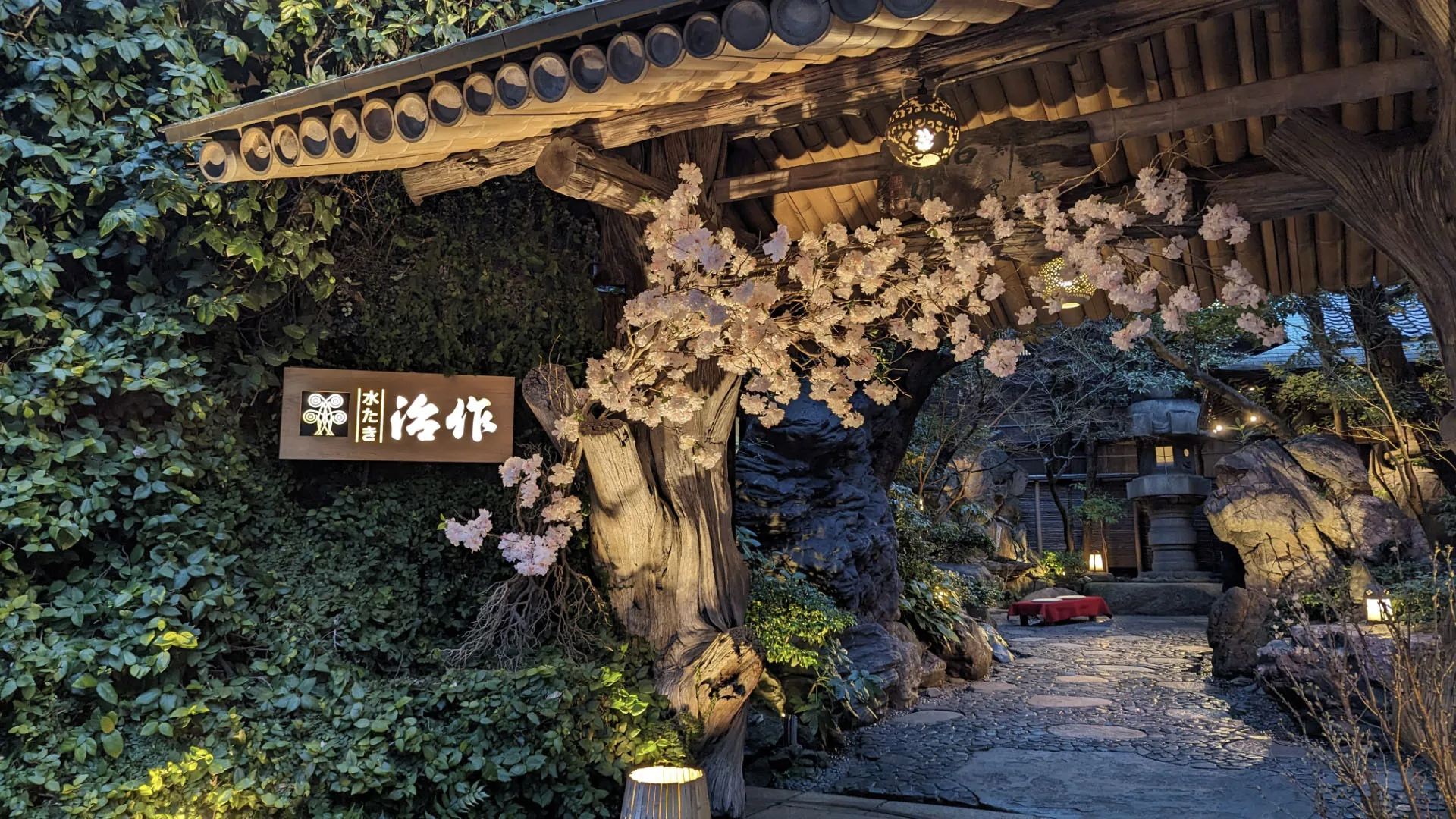
1951Archive photograph of the ivy-covered entrance gate of Tsukiji Jisaku, looking down the stone approach
1951
+

Reiwa 3

Ninety
years

The ryotei marked its 90th anniversary: nine decades at one address, with one garden, one pond, and a single idea of what it means to receive a guest.

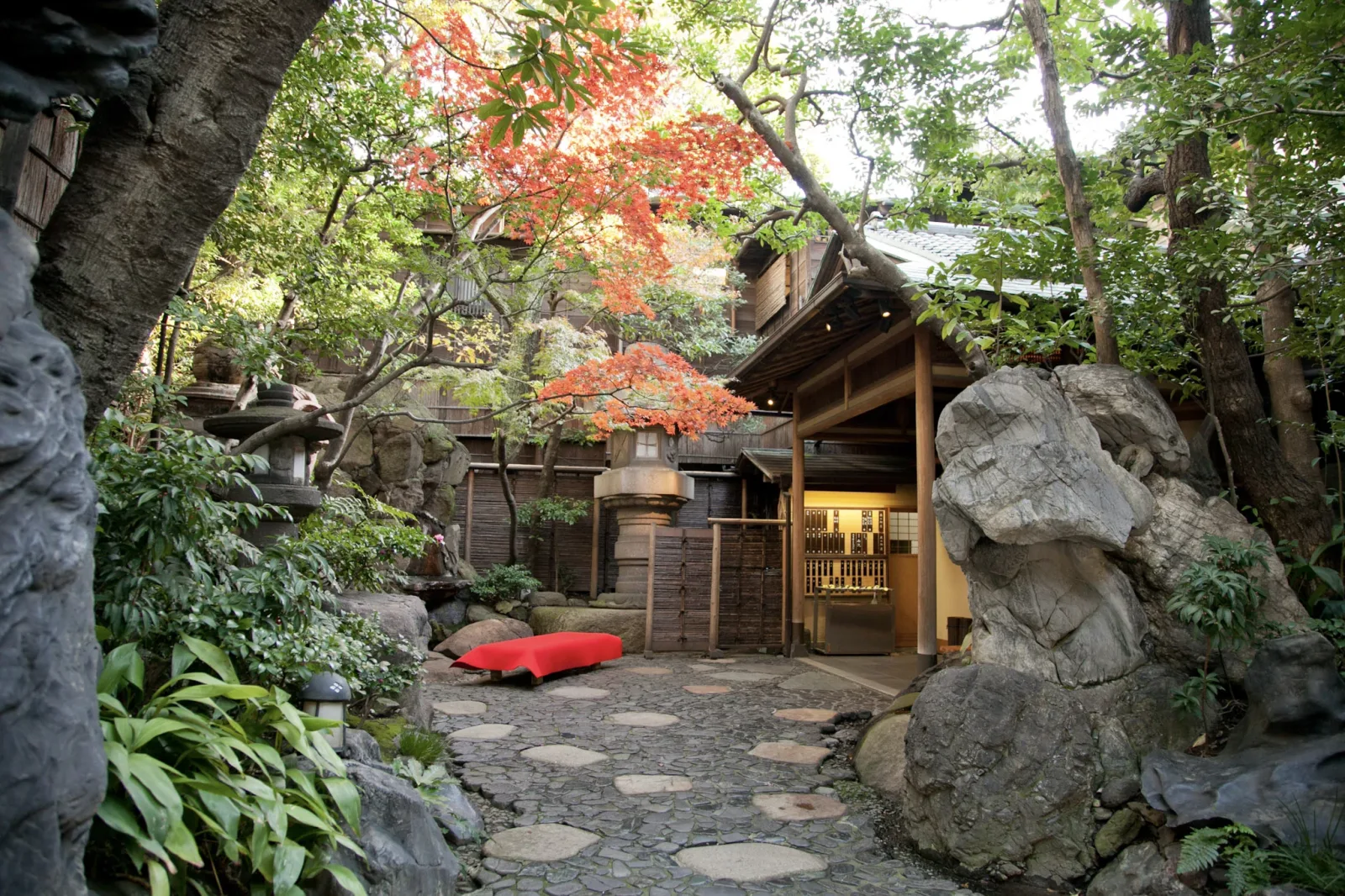
2021The entrance garden of Tsukiji Jisaku in autumn, maples turning red above the stone path to the door
2021
+

Reiwa 8

Ninety-five —
and counting

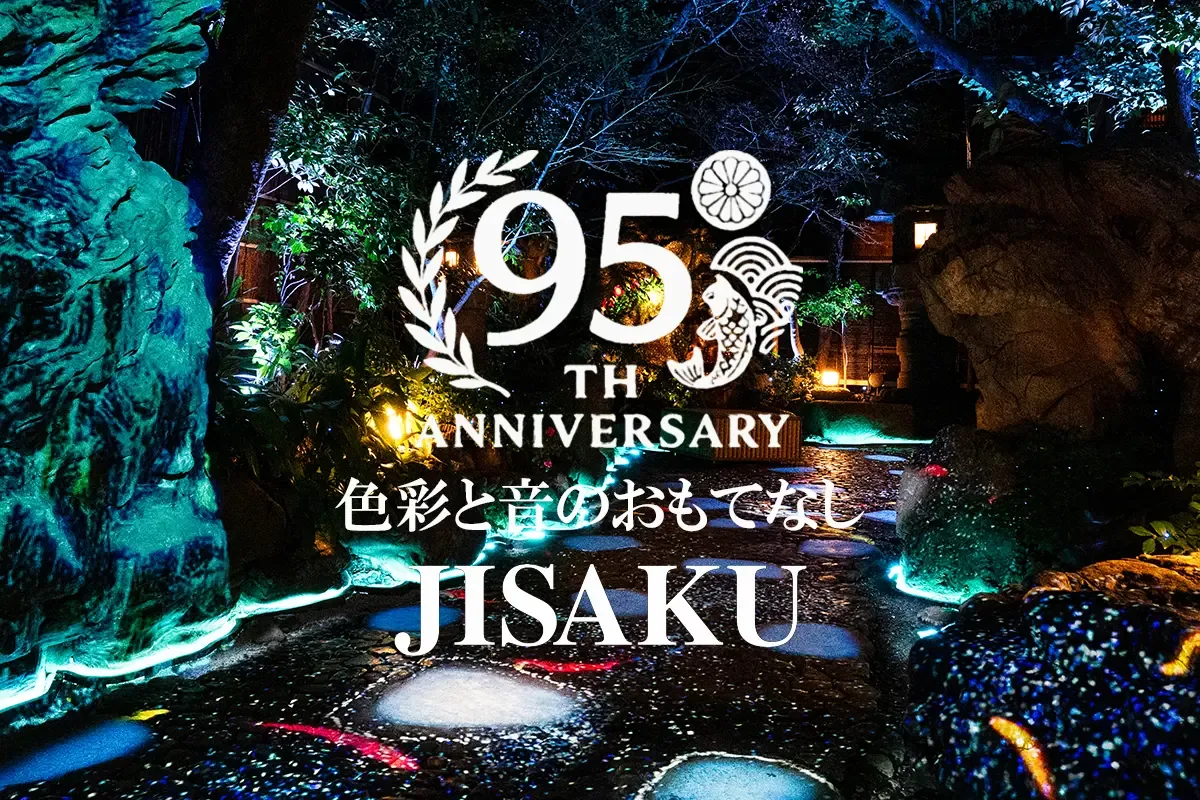
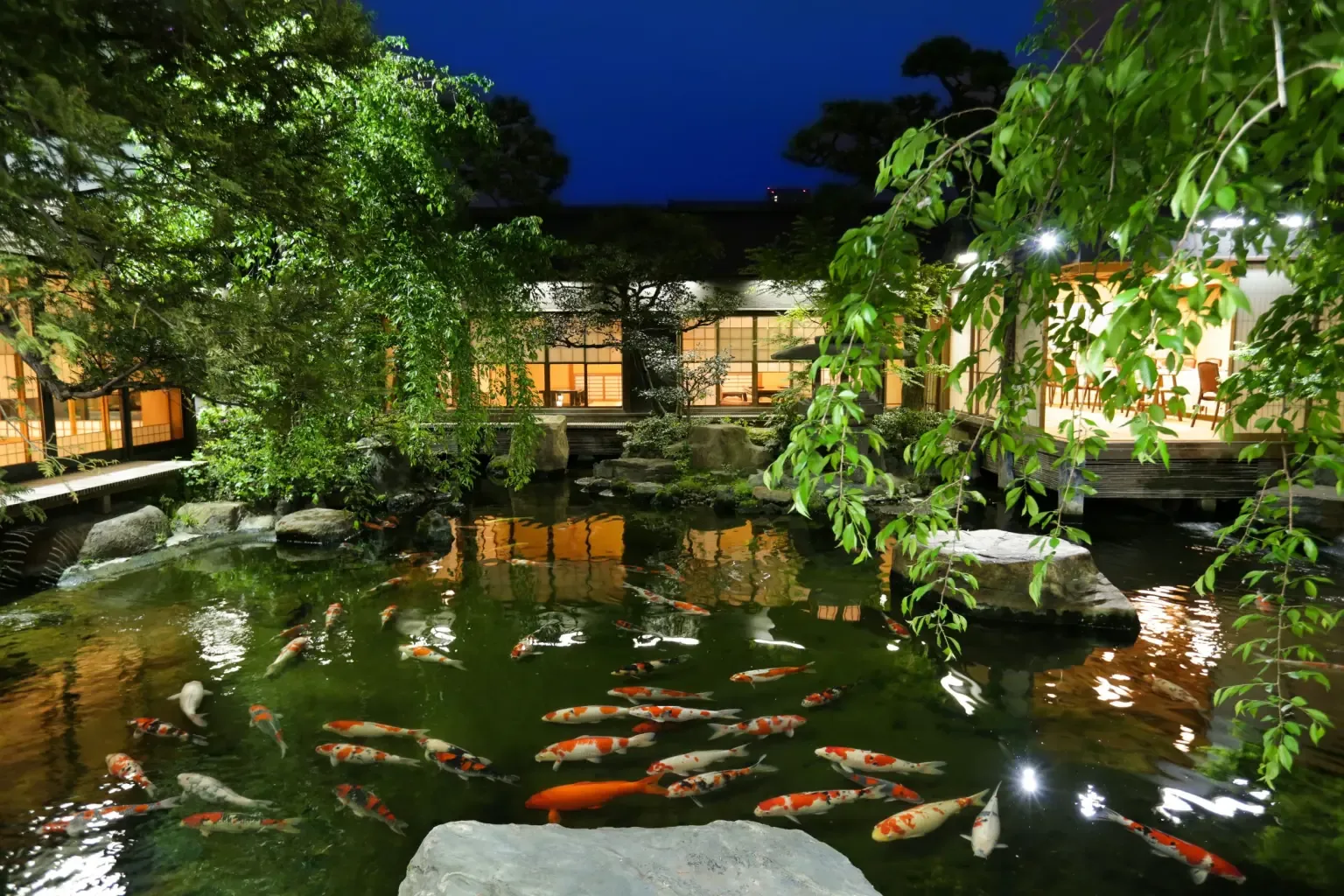
Today the koi still circle the pond, the tatami rooms still open onto the garden, and the kaiseki still follows the season rather than the calendar. Five years from its centenary, the house is doing what it has always done.

2026Tsukiji Jisaku 95th anniversary — illuminated garden
2026
+

THE FOUNDER

Honda Jisaku
1931 —

A chef who understood that a house is judged by the guest who leaves it.

Honda was known not only for his cooking but for his instinct for the occasion — for reading a room, a season and a reason to gather, and building an evening around them.

He came from Kyushu, yet he never asked Tokyo to accommodate him. He took on the tastes and customs of Edo, married them to his own training, and made a kitchen that belonged to this river.

That philosophy still defines Tsukiji Jisaku today.

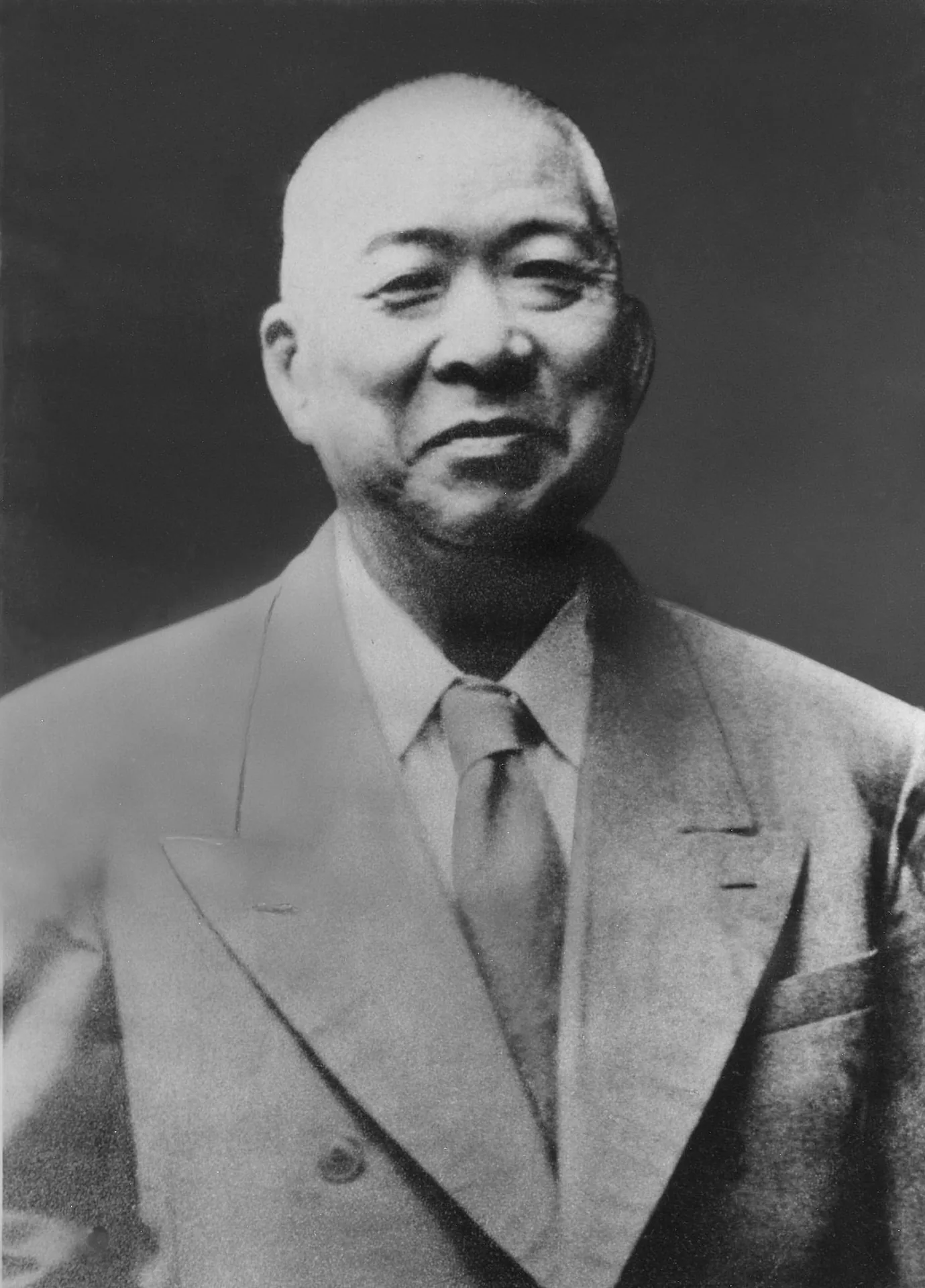
Honda Jisaku, founder of Tsukiji Jisaku

Honda Jisaku — founder and first proprietor

WHAT REMAINS

A place that honours tradition without becoming frozen in time.

01

The garden

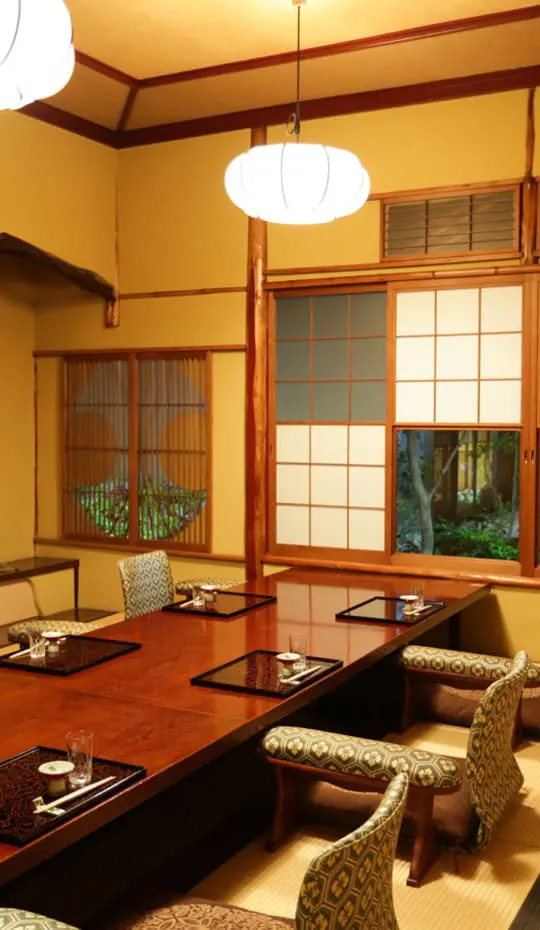
The pond, the koi, the water moving quietly through the grounds. From most of the private rooms the garden is not a view but part of the gathering itself.

02

The privacy

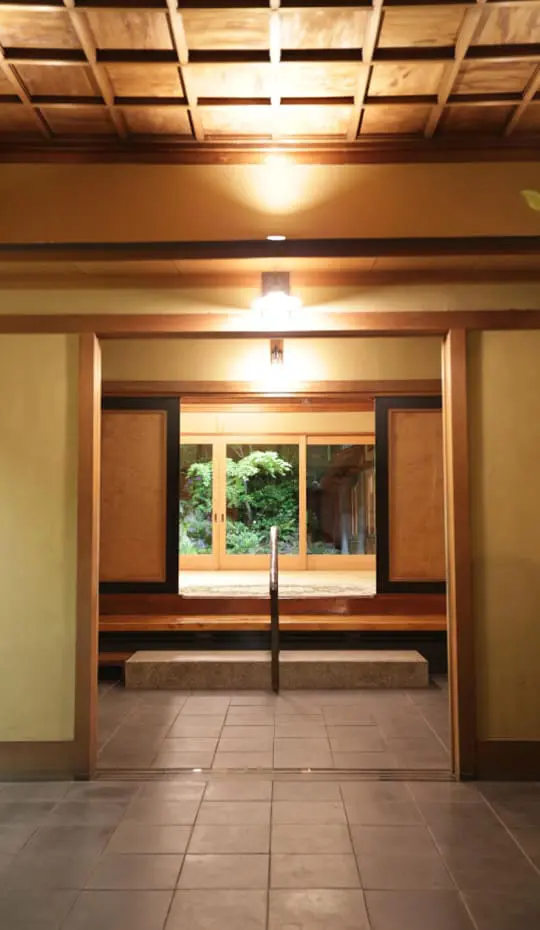
Separate rooms, separate approaches, and the discretion the Iwasaki villa was built for. Minutes from Ginza, and entirely apart from it.

03

The season

Fresh green in spring, deep shade in summer, colour in autumn, clarity in winter — carried through the garden, the rooms and every course served in them.

The garden and pond at dusk